
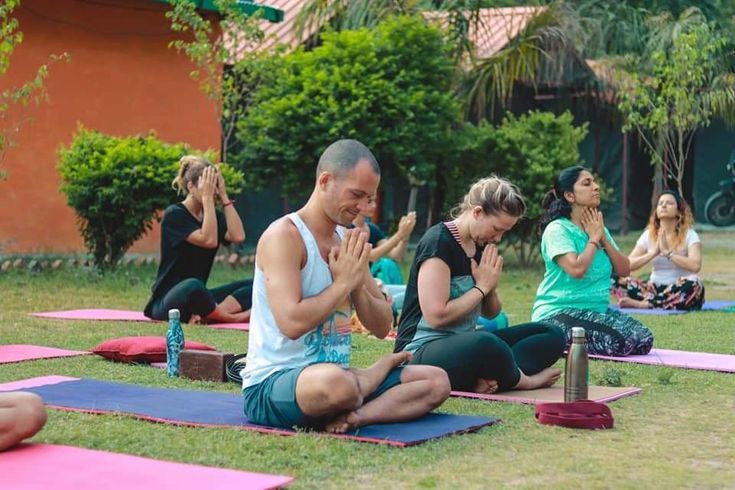
Wellness is not being disease-free but the overall condition of physical, mental, and emotional balance. Today, individuals are no longer concerned with their health due to the hectic schedules and unhealthy diets, among other things. But, even through some conscious daily activity, there will be a certain degree of sanity restored in your life.
These wellness rituals do not mean that they involve costly programs and elaborate schedules; they simply have to be habitual and conscious. When you get better at waking up to take care of the mind and the body, you are more alert, more attentive, and more favorable in the daytime. Wellness is accomplished through a number of small actions, and these actions should be undertaken consciously and with self-awareness in a day-to-day manner.
- Wellness means physical and psychological health.
- Habits are more effective as compared to the efforts made occasionally.
- There is mindful self-care, which is better than productivity and happiness.
- Emotional and physical resiliency is created through a healthy lifestyle.
- Constant training is the pillar of lifelong wellness.
Wake up with mindfulness
Morning mindfulness preconditions the rest of the day. Relaxing into silent periods of contemplation, meditation, or thankfulness gets rid of stress and builds your attention. It makes you relate to your thoughts and feelings prior to getting into the mess of the world. Making a peaceful state of mind with as little as five to ten minutes of breathing deeply or writing down positive intentions will help all day long.
- Wake up every morning by meditating or breathing.
- Look at what you can be thankful about, and make positive resolutions about the day.
- Do not look at your phone directly after getting up.
- Mindfulness assists you in calming the emotions and decreases anxiety.
- A calm morning enhances concentration and activity.

Healthy and Well-Balanced Diet
Nutrition is the basis of health, as it provides mental and physical fitness. A balanced diet provides you with power as well as boosts your immunity and tests the brain. Considerate consumption, that is, taking time to taste and heeding hunger signals, also helps to prevent overeating. One of the functions of water is its hydrating property because water helps in metabolism, digestion, and cognition.
- Select whole foods and shun highly processed foods.
- Respondent stirring keeps you hydrated with 7-8 glasses of water per day.
- Eat mindfully in order to enhance digestion.
- A proper diet holds mood and boosts brain energy.
Include regular exercise
Exercise will make your body firm and your business head straight. Exercise does not necessarily involve a lot of gym work; it could be walking, stretching, yoga, cycling, or dancing. Exercise helps to increase endorphins, and endorphins naturally make one feel happier and less stressed. It also contributes to better blood flow, health of the heart, and sleep. It can even help when one moves a bit every day, spending at least 30 minutes. Being active also keeps one confident and body aware.
- Regularity will be greater than conviction.
- Movement enhances posture, flexibility, and concentration.
Get Enough Quality Sleep
Your body needs to have sleep as a natural method of healing and replenishing energy. Sleep deprivation contributes to lack of concentration, fatigue, and immunity. Create a bedtime routine that helps make you feel relaxed—reduce screen time, reduce caffeine intake, and make your bedroom a dark and quiet environment. The aim is to achieve 7-9 hours of continuous sleep. Good rest improves memory, balances hormones, and makes one more emotionally steady.
- Wake up in the morning and sleep regularly.
- Do not consume caffeine or massive meals at night.
- Profound cessation enhances efficiency and clarity of mind.

Be Grateful and Willingly Positive.
The heart that is thankful is at peace and in perspective. Gratitude every day allows one to redirect attention from what is absent to what matters. List three things you are grateful for every morning or night. The result of such a simple action is the development of optimism, reduction of stress, and self-awareness. Positive thinking does not deny any problem; it allows one to approach it with strength and calmness. The act of gratitude enables your brain to reconnect to find joy in daily experiences.
- Have a gratitude journal to support blessings daily.
- Go for improvement rather than excellence.
- Be around good, encouraging individuals.
- Alternate negative thinking to opportunities.
Manage Stress Effectively
Stress is unavoidable, but it is up to you how you cope with it; that defines you. Persistent stress may damage your heart, digestion, and your mind. It would be more favorable to learn the techniques of relaxation, including deep breathing, meditation, or stretching. Other techniques of emotional balance include taking a break during the day and being mindful. When you remedy stress in a positive way, your mind and body collaborate together in a positive way.
- Early detection of stress and reaction in a calm manner.
- Make brief rests to have a breath and rest at work.
- Do yoga and meditation to relieve stress.
- Focus on doing rest and self-care activities every day.
- Burnout is avoided by having balanced stress management.
Minimize Screen Time and Digital Distractions
Technology is a necessity, yet watching a lot of screens can burn your brain. Constant scrolling, playing games, or streaming influences concentration and the quality of sleep. Create digital boundaries—designate social media boundaries by setting the hourly limits and staying off the screens before going to sleep.
- Limit phone and computer screen time every day.
- Do not use devices within 1 hour before going to sleep.
- Substitute scrolling with reading or hobbies.
- Rest your eyes after every 30-40 minutes of work.
- Online time enhances focus and mood.
Spend Time in Nature
Nature is highly potent as far as healing is concerned. The outside activities lower the level of stress hormones and boost the mood and creativity. Air, light, and the natural sounds reinvigorate you and pay attention to you. Even going out to the parks or gardens can be done as a mentally refreshing activity. Nature will slow you down, make you inhale, and make you savor the uncomplicatedness of living.
- Be conscious in nature.
- The first one is that physical fitness is increased by gardening or hiking.
Never Stop Improving Yourself
It does not matter whether you read books, acquire some new skill, or take online courses; constant learning increases confidence and mental sharpness. Growth enlarges your mind, develops the ability to solve problems, and is the purpose of life. Creating personal objectives and following up will provide a feeling of achievement in the process of wellness.
- Read no less than two or three pages of a book every day.
- Get yourself new skills to exercise your brain.
- Make achievable objectives and commemorate success.
- Constant development increases motivation and creativity.
- Personal growth improves personal happiness.

Conclusion
Wellness cannot be developed in a single day; it is a process that has to be fulfilled by living a life of dedication, patience, and awareness. The way that your mind and your body relate is strong. When you take care of one, the other takes advantage on its own. Perfection is not the best way to health: perseverance is the best way. You do not necessarily need to dedicate much time to physical activity or eat right; however, just a bit of good exercise (drinking more water or going outside) or breathing in a few deep inhales can make a difference. But through making daily wellness decisions, you develop balances, confidence, and peace that will be observed in all aspects of your life.